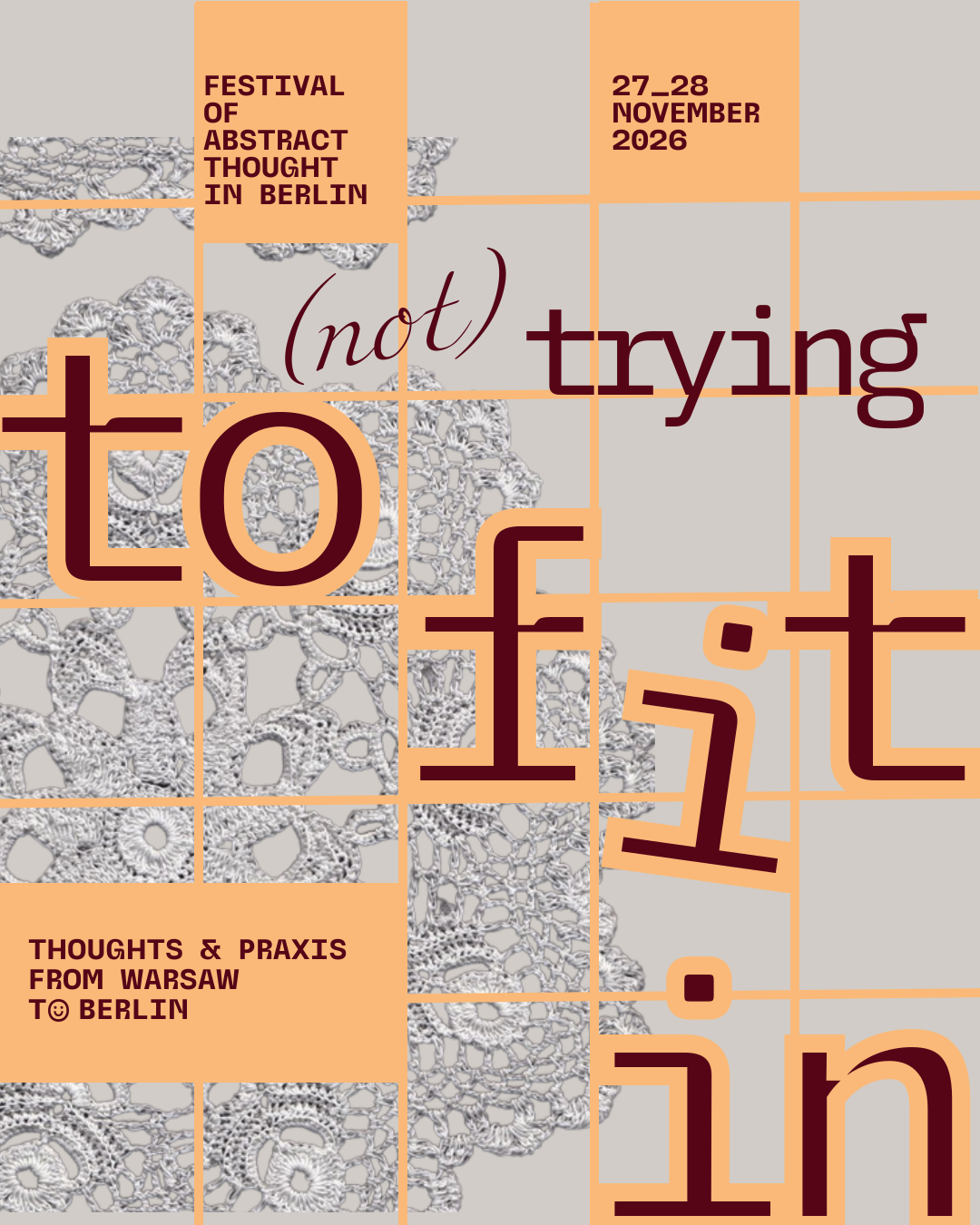
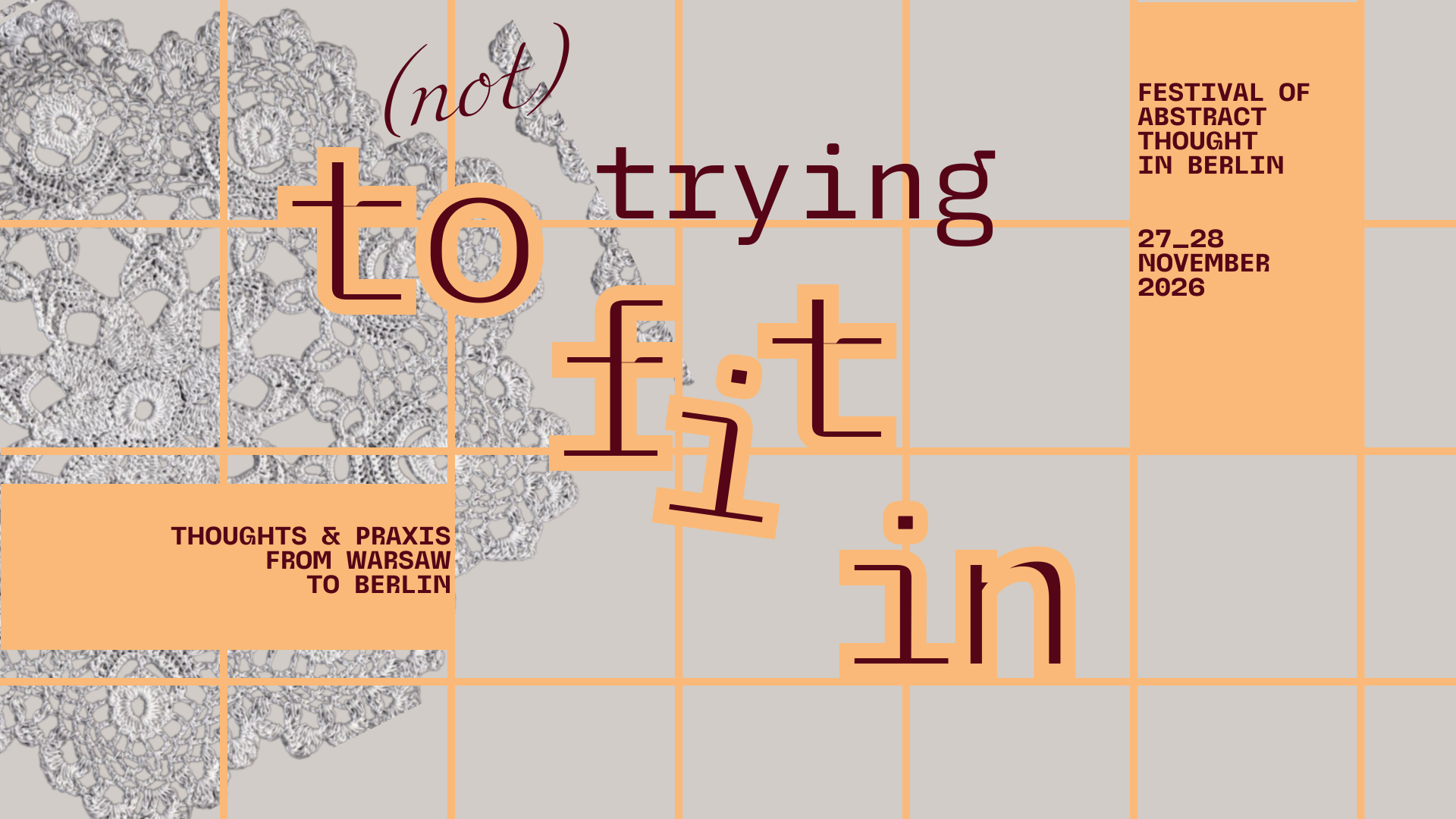
Festival of Abstract Thought in Berlin. 27 - 28 November 2026. (not) trying to fit in. Thoughts & praxis from warsaw to berlin

Idea

From Warsaw to berlin

Festival of Abstract Thought brings together philosophy, critical theory, social thought, and artistic practice. For ten years, we’ve been moving thinking beyond academic contexts into shared public space in Warsaw.

Now we're in Berlin! Join us to explore the ideas that shape how we see the world through talks, workshops, performances, and playful experiments. Meet researchers and artists, experience traditional wax pouring, and, of course, try some pierogi.

Theme

(not) trying to fit in

It’s so awkward, trying to fit in. We know this feeling well, and not just personally.

We come from Poland, where we spent most of our lives, and we have also experienced migrating to the West. We grew up with this sense of being somehow behind, having to work harder, adjust, and maybe change just a little bit more. That’s because Poland is a semi-peripheral country. Like many other places in Europe, it’s not quite central, not quite Western, but you can’t really call it a margin either. There’s a strong ambition to catch up with the center and an even stronger fear of sliding into the periphery. Caught between them, we end up full of contradictions and tensions, both looking down on others and being looked down on.

We no longer want to fit in or resolve those tensions. We'd rather embrace being unfit and in-between, seeing what weirdness lives there and what coalitions can be built. What do we see that isn't visible from the center? What critical ideas, resistances, ecologies, strange solutions, and unfinished paths emerge? 

Konzept

Von Warschau 
Nach Berlin

Das Festival of Abstract Thought verbindet Philosophie, kritische Theorien, Soziologie und künstlerische Praxis. Seit zehn Jahren tragen wir das Denken aus dem akademischen Umfeld hinaus in den öffentlichen Raum Warschaus.

In diesem Jahr sind wir zum ersten Mal auch in Berlin aktiv! Seid dabei und entdeckt mit uns die Ideen, die unseren Blick auf die Welt prägen – in Vorträgen, Workshops und spielerischen Experimenten. Trefft Forschende und Künstler*innen, probiert den polnischen Brauch des Wachsgießens aus und kostet natürlich auch Pierogi.

Thema

(not) trying to fit in

Es ist so unangenehm, dazugehören zu wollen.Dieses Gefühl kennen wir gut, und nicht nur aus persönlicher Erfahrung.

Wir stammen aus Polen, haben dort den größten Teil unseres Lebens verbracht und selbst die Migration in den Westen erlebt. Wir sind mit dem Gefühl aufgewachsen, immer einen Schritt hinterherzuhinken und deshalb härter arbeiten, uns anpassen und uns vielleicht noch ein wenig mehr verbiegen zu müssen.Das hat mit der Position Polens zu tun: Es gehört zur Semiperipherie. Wie viele andere Orte in Europa liegt es weder im Zentrum noch am Rand. Der Ehrgeiz, zum Zentrum aufzuschließen, ist groß, die Angst, in die Peripherie abzurutschen, noch größer. Zwischen beiden gefangen, sind wir voller Widersprüche und Spannungen: wir blicken auf andere herab und werden selbst von oben herab behandelt.

Wir wollen diese Spannungen nicht auflösen. Wir würden lieber das Unangepasste und das Dazwischen annehmen und sehen, welche Seltsamkeit dort lebt und welche Koalitionen sich bilden lassen. Was sehen wir, was vom Zentrum aus nicht zu sehen ist? Welche kritischen Ideen, Widerstände, Ökologien, ungewöhnlichen Lösungen und unfertigen Wege entstehen dort?

Idea

Z warszawy do berlina

Festiwal Myśli Abstrakcyjnej łączy filozofię, teorie krytyczne, myśl społeczną i praktyki artystyczne. Od dziesięciu lat wyprowadzamy krytyczna refleksję poza mury akademickie, we wspólną przestrzeń publiczną Warszawy.

W tym roku, po raz pierwszy, działamy w Berlinie! Zapraszamy do wspólnej eksploracji idei, które kształtują nasze postrzeganie świata — podczas rozmów, warsztatów i twórczych eksperymentów. Poznaj badaczki, badaczy i osoby artystyczne, weź udział w tradycyjnym laniu wosku i oczywiście spróbuj pierogów 🥟

Temat

(not) trying to fit in

To takie niezręczne próbować się dopasować. Wiemy, jak to jest, i to nie tylko w życiu osobistym.

Pochodzimy z Polski, gdzie dorastałyśmy i spędziłyśmy większość życia. Doświadczyłyśmy też migracji na Zachód. Ukształtowało nas poczucie, że jesteśmy trochę do tyłu, że musimy bardziej się  starać, dostosowywać i może jeszcze odrobinę się zmienić. To częste doświadczenie w krajach półperyferyjnych. Polska, jak wiele innych miejsc w Europie, nie jest ani centrum, ani marginesem. Silnej ambicji, by dogonić Zachód, towarzyszy jeszcze silniejszy lęk przed osunięciem się na peryferie. Uwikłane w te napięcia, jesteśmy pełne sprzeczności i wewnętrznych konfliktów: same patrzymy na jednych z góry, a inni patrzą z góry na nas.

Nie chcemy już się dopasowywać ani rozwiązywać tych napięć. Wolimy zaakceptować swoje nieprzystawanie i bycie pomiędzy, przyjrzeć się dziwności, którą tam znajdujemy i koalicjom, które można zawiązać. Co widzimy, czego nie widać z centrum? Jakie krytyczne idee, formy oporu, ekologie, dziwne rozwiązania i niedokończone ścieżki się wyłaniają?
Guests

Patrycja Rozwora
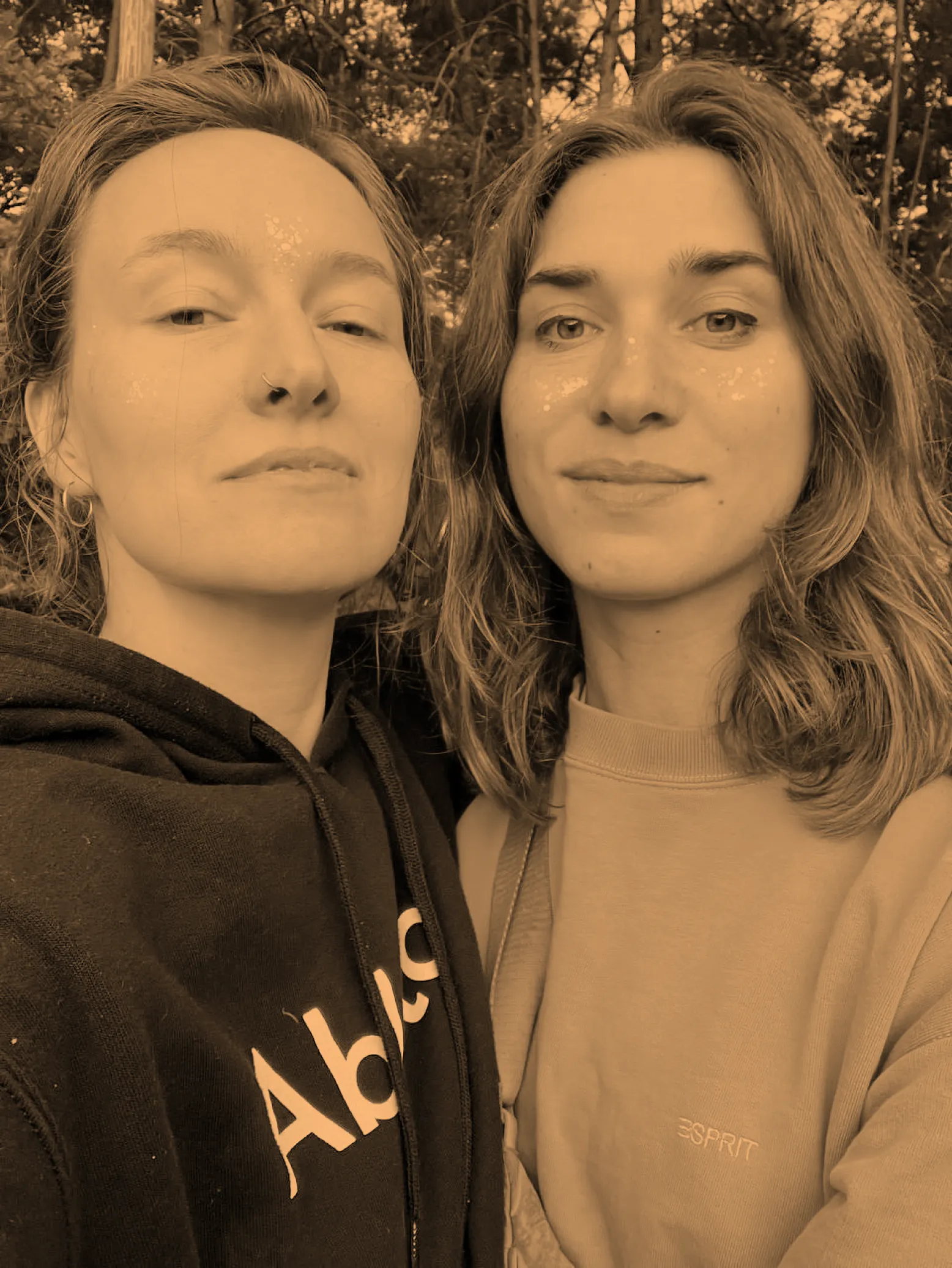
Magda Bocheńska i Ania Kamecka
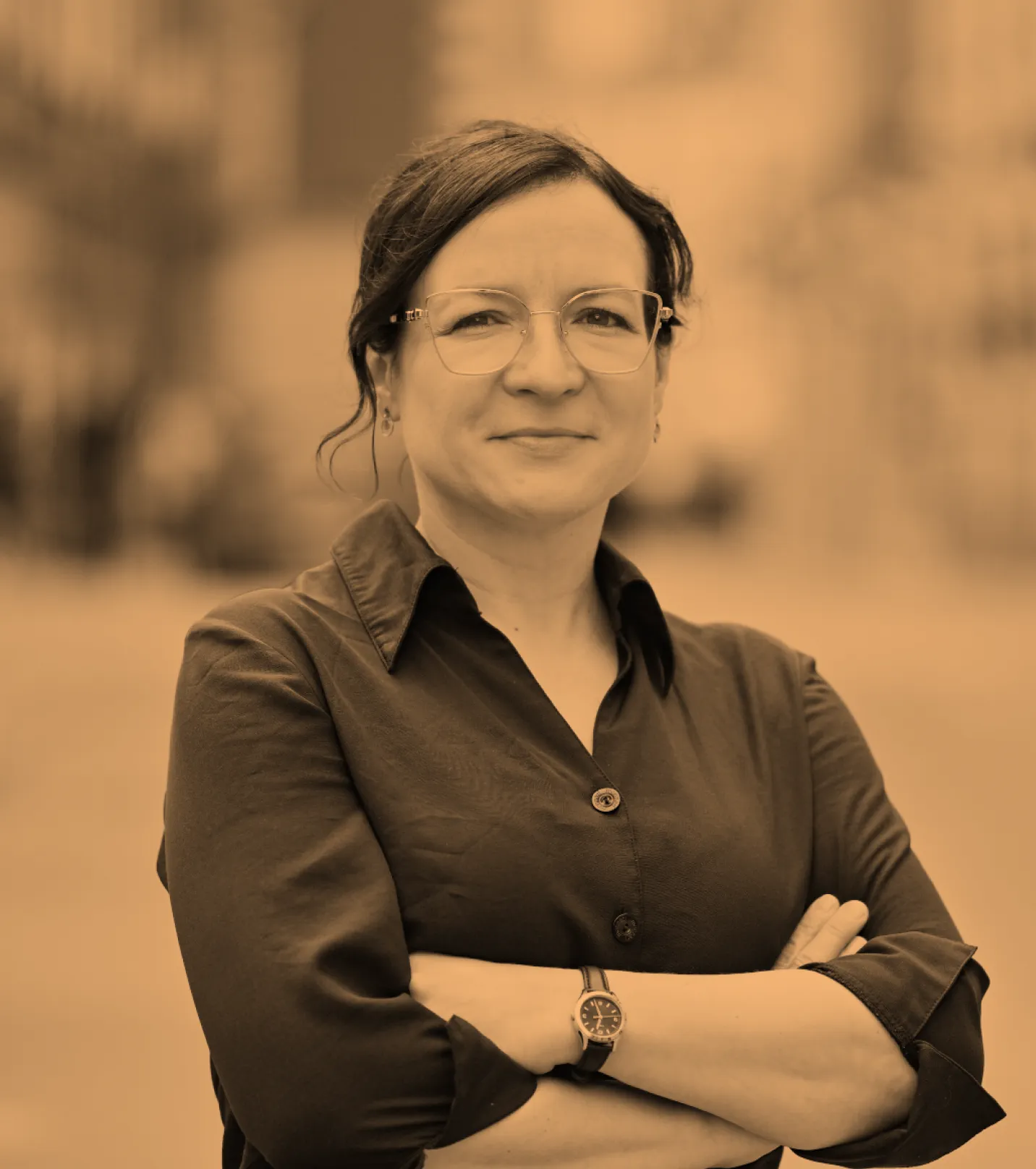
Ewa Majewska
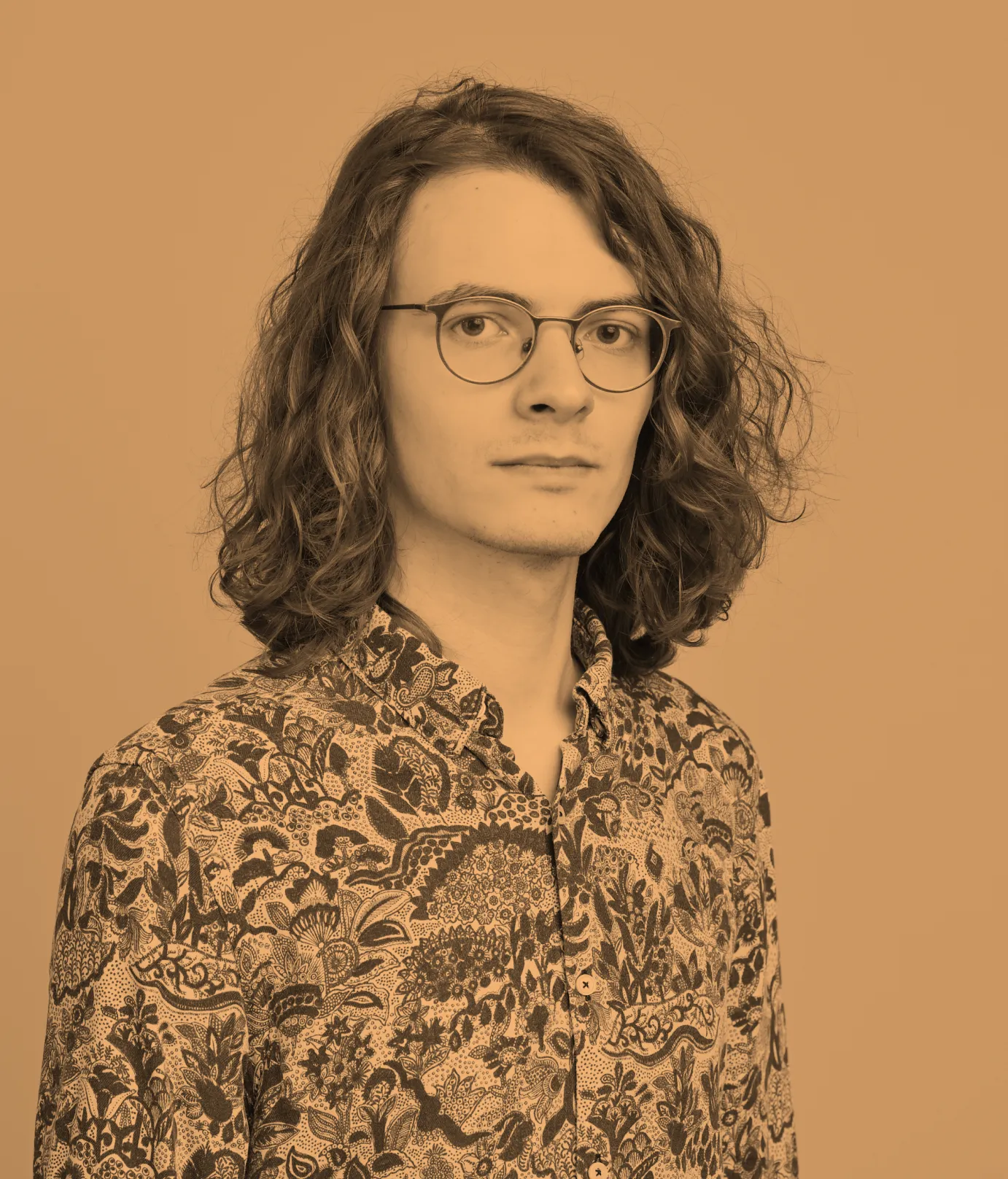
Filip Brzeźniak-Kujda
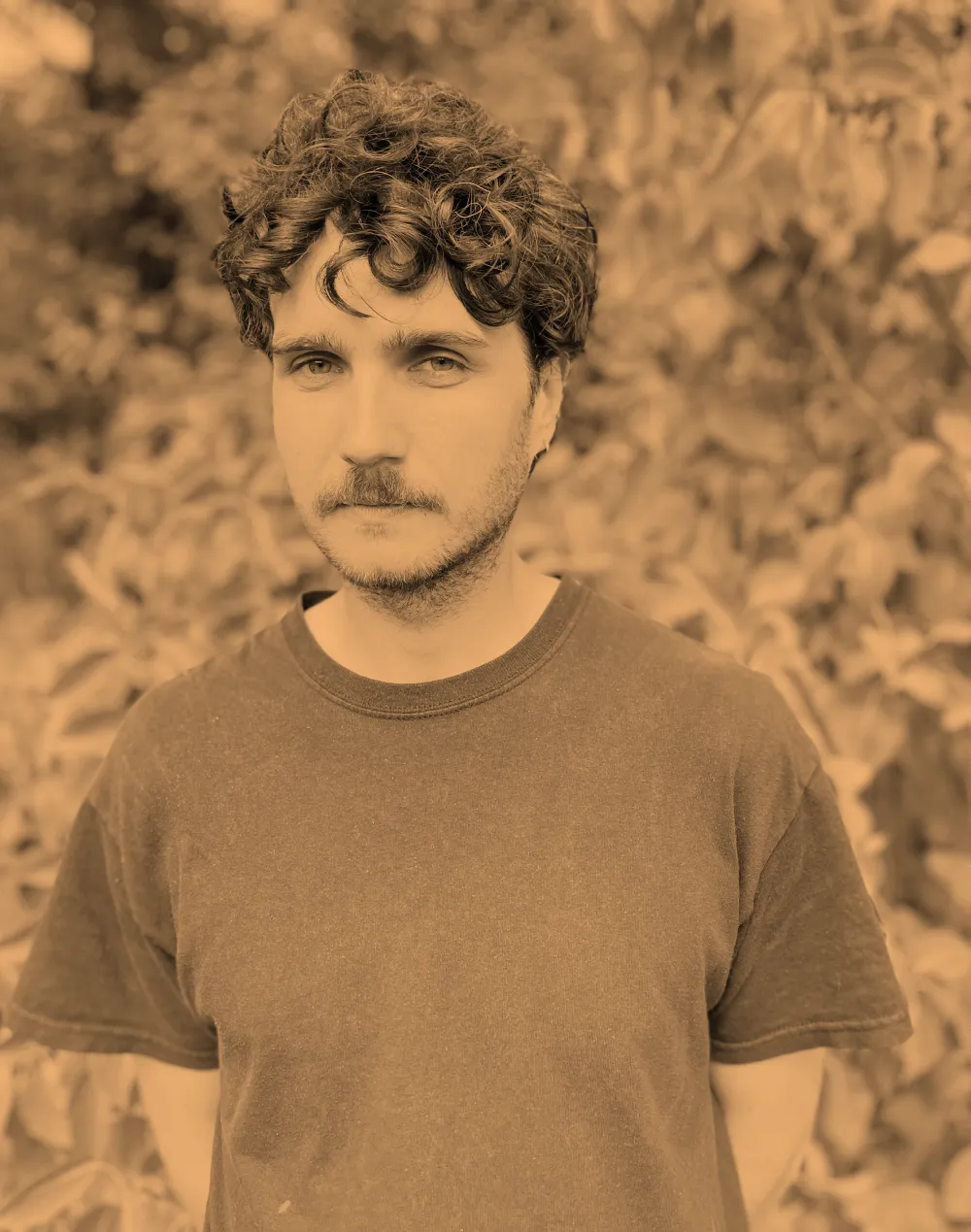
Michał Pospiszyl
Barbara Brzezicka
nat skoczylas
Patrycja Rozwora
Magda Bocheńska i Ania Kamecka
Ewa Majewska
Filip Brzeźniak-Kujda
Michał Pospiszyl
Barbara Brzezicka
nat skoczylas

Program

all events will be held in English

Friday, 27 November 2026

18:00

Thinking (from) the Semi-Periphery in a Fracturing World. Poland as a starting point.

●
talk 1,5h
How do we fit into a world that is coming apart? And what happens when fitting in requires learning to describe yourself in someone else’s terms? Starting from Immanuel Wallerstein’s concept of the semi-periphery, we explore the double binds of aspiring to the centre while fearing marginalisation. Turning the current political fever into philosophical reflection, we take Poland as a starting point for comparisons with other semi-peripheral experiences. 
Thinking from semi-periphery means for us also thinking in a semi-peripehric language. Polish is not a language widely spoken, but at the same time it is not viewed as “exotic”. And yet we believe there are concepts in Polish that might shed new light on current problems. Using Barbara Cassin’s framework of “untranslatables” we will show some Polish concepts that we find inspiring.

Barbara Brzezicka

PhD, is a scholar in romance studies and philosophy working at the University of Gdańsk. Her research focuses on philosophical “untranslatables”, mainly different concepts of freedom.

Filip Brzeźniak-Kujda

Philosopher and PhD candidate at the Polish Academy of Sciences. He is currently working on a doctoral dissertation devoted to the relationship between melancholy and emancipation at the intersection of French post-structuralism and critical theory.
20:00

Pierogi, Anyone? Dinner with Kitchen Conversations

●
Community dinner, 2h
Perhaps you’ve made them with your Polish babcia?
Perhaps you never miss an opportunity to eat them whenever you can?
Perhaps you only have them on Christmas Eve?
Perhaps you’ve eaten too many and can’t even think about them anymore?
Perhaps you feel bad for all the other Polish dishes that get left in the background?
Perhaps you feel they’re too mild and need a little sauce?
Perhaps you think they’re just like Italian ravioli, but bigger?
Perhaps you prefer Ukrainian varenyky?
Perhaps the German translation, Teigtaschen, just doesn’t do them justice?
Perhaps you’re still on the lookout for good ones in Berlin? An evening of communal eating, chatting and exchange hosted by artist Patrycja Rozwora 

● Come early and enjoy some traditional Polish pierogi! 🥟 Limited portions available.

Patrycja Rozwora

Patrycja Rozwora (b. 1994) is an artist and cultural worker from Warsaw. She holds an MA in Fine Arts and Design and lived in Amsterdam before moving to Berlin. Since 2020, Patrycja has been hosting Kitchen Conversations, a podcast on art and culture from Eastern Europe. She is a mum to Mila, likes listening to people, hosting events, and painting.

Saturday, 28 November 2026

12:30

Eastern Affects and Hungry Ghosts

●
Workshop, 2h
lilu and nat are bringing together memories, erasures, affects, reflections on infrastructures, jars and tupperwares, un/savoury flavours, prejudices and prides that Eastern Europeans and East Germans share. What does persist in the sphere of erasure? What proposals around conviviality, solidarity, interdependence do we bring from the underworlds of countries that do not exist anymore on geopolitical maps - yet deeply affect and haunt us today. This session will be an initial gathering eventually leading to a game design - we encourage both those who want to be in a candid exchange and sharing just this one time, but also those who would want to develop a game with us, to come join us.

● Free admission! Come early – places are limited and it’s first come, first served.

nat skoczylas

Berlin based activist, artist and researcher, working with food - particularly fermentation - as a space-time machine. Their work is centered around temporal and long term communities and collectivities, making and sustaining anti-institutions, undercommoning, pirating resources, commons, food sovereignty, autonomy and agency and obsessed with ongoing revolution, death of the empire, and the role of the margin in worldling new worlds.

Lilu 

Anarchist, activist, researcher, tree lover and mushroom climber currently paying rent in Berlin. they live and work collectively, integrating what they learn from anti- and decolonial thought and queer-feminist organising, as well as from growing up in a post-socialist, particularly fascist-infested corner of east germany. lilu is interested in how the past informs the present, whether in counter-memory politics, food sovereignty along murderous supply chains or the smell of a forest in drought. they believe in collapse and revolution and prepare for both by training as a tree doctor, wrestling part-time, and being curious.
15:00

Feminist antifascism. Weak Resistance across the borders

●
Talk, 1,5h
This dialogic lecture engages with trans and queer theories from a feminist, critical perspective, working for a strategy of composting and making odd kin transversally across difference with a variety of perspective. This effort in theorizing is a way of solidarity and resistance of the weak, unfolding its antifascist stakes as it progresses, transnationally and across borders. 

Ewa Majewska 

Feminist theorist of culture, associate professor at the SWPS University in Warsaw, Poland, author of the books: The Caring Leviathan? Hiacynt Pink Files, Biopolitics, and the Queer Critical Theory (Brill, 2026); Weak Avant-Garde? (MOCAK, 2026); Feminist Antifascism (Verso, 2021) and others. More: https://ewa-majewska.com. 
17:00

Escape Ecologies: Marshes, Forests, and Wastelands as Spaces of Resistance in Eastern Europe

●
Talk, 1,5 h
The influence of the natural environment on the formation of social relations in the past is an understudied topic, particularly in the context of Eastern European history. In this lecture, we will examine the influence of various ecosystems, from wastelands and forests to swamps and agricultural areas, on power relations, opportunities for resistance and the agency of subjugated groups, with a particular focus on the region's 18th-century history. We will pay particular attention to elements of nature that have eluded administrative control and thus remained on the margins of research, such as reed beds, thickets, dense undergrowth, wastelands and weeds.
Taking these 'illegible' and hard-to-control spaces into account can shed new light on the history of various communities, their survival strategies, and their resistance.

Michał Pospiszyl

Michał Pospiszyl is an Assistant Professor of History at the Institute of Political Studies of the Polish Academy of Sciences, and a fellow at Harvard University's HURI for this academic year. He has previously been a fellow at the IWM in Vienna and the CEU in Budapest, as well as a visiting scholar at NYU, Yale and MIT. His work has been published in the American Historical Review, the Journal of Modern History, the Journal of Social History and Environmental History. He is the author or co-author of four books in Polish.
19:00

Layer by layer: chimeric cartographies. Wax Pouring and the Polish Tradition of “Andrzejki”

●
workshop, 2h
In this poetic sitting, we'll explore together territories and topographies of community building. Letting ourselves sink into the long November night, together we’ll impersonate the mythical earth-divers from Slavic cosmology and embrace the magic of the Polish wax pouring in order to spill the spells of possible (and desired) futures. Still gathered along rivers, atop geological layers, now entangled in the nets of globalization, we are here, searching for togetherness and safety. The cartographies of the Western Slavs and stories of Polabians will become inputs from which we can mold the worlds we want to inhabit, rooting ourselves in one of the layers that Berlin is built on.
Exploring fantastical collages of lands built on top of lands, how can we allow ourselves to practice fortune-telling in the never-ending romance with the Earth we temporarily occupy?

● Free admission! Come early – places are limited and it’s first come, first served.

Magda Bocheńska

Designer, nidra teacher, ecofeminist and facilitator. Moved to Berlin from Warsaw in 2017. Designs for humans and humanity, explores and advocates for practices of regeneration. Labour rights activist, offers support and guidance to all fellow migrant workers exhausted with technofeudalism. 

Ania Kamecka

Cultural studies researcher, storyteller, tarot reader and educator. Explores tarot through storytelling, the ecology of magic and somatic practices. Warsaw-based cultural practitioner developing community projects at the intersection of ecology and art. Member of the artistic-herbal collective Chwaściarnia.

When:
27-28 NOVEMBER 2026

Where:
diffrakt | center for theoretical periphery

Crellestraße 22, Berlin 10827

Free admission! Come early – places are limited and it’s first come, first served.

all events will be held in English

Funding Institution
Organiser & Partner
Festiwal of Abstract Thougt
HALO@DZIKIBEZ.COM
IG →FMA WARSAW →
Open Association  Dziki Bez
Bukowińska 24a/17
02-702 warsaw | Poland  
KRS:0000623222
NIP:9512415306